fishing guide insurance
Fishing Guide Insurance: A Comprehensive Guide
Navigating the complexities of running a fishing guide business demands robust insurance solutions, encompassing vessel protection, liability, and equipment coverage for peace of mind;
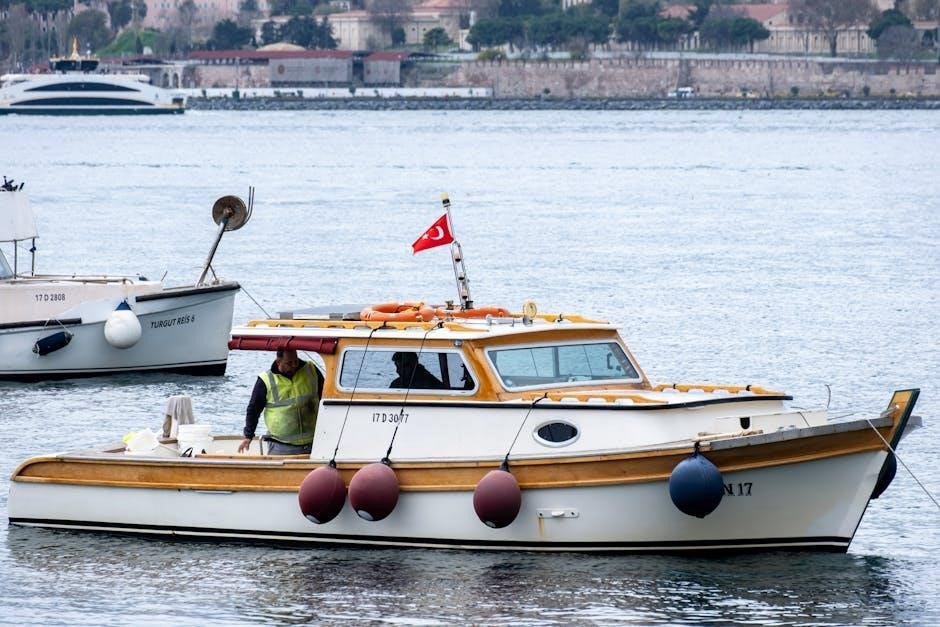
Commercial fishing vessel insurance typically includes hull & machinery, protection & indemnity (P&I), and coverage for on-board fishing equipment up to $50,000.
What is Fishing Guide Insurance?
Fishing guide insurance is a specialized insurance package designed to protect the unique risks faced by professionals leading fishing excursions. It’s far more comprehensive than standard business liability policies, acknowledging the inherent dangers of working on or near water and dealing directly with clients.
This type of insurance typically bundles several crucial coverages, including general liability for client injuries or property damage, professional liability (errors & omissions) for advice given, and commercial auto insurance for vehicles used in the business. Crucially, it also includes boat insurance covering hull damage and machinery failure, alongside potential workers’ compensation if employing crew.
Essentially, it’s a safety net safeguarding a guide’s livelihood and assets against unforeseen events during fishing trips.
Why Do Fishing Guides Need Insurance?
Fishing guides face a unique spectrum of liabilities, making insurance not just advisable, but essential. The inherent risks of navigating waterways, handling equipment, and interacting with clients create potential for accidents and lawsuits. A client could slip on a deck, be injured by fishing gear, or even suffer a medical emergency during a trip.
Without adequate insurance, a single incident could lead to crippling financial losses, covering medical bills, legal fees, and potential settlements. Furthermore, damage to a vessel or equipment can halt operations. Insurance protects a guide’s business, personal assets, and future income, ensuring sustainability and peace of mind.
Types of Insurance for Fishing Guides
Several insurance types cater specifically to the needs of fishing guides. General Liability Insurance covers bodily injury and property damage to third parties. Professional Liability Insurance (Errors & Omissions) protects against claims of negligence or inadequate service. Commercial Auto Insurance is vital for vehicles used in the business.
Boat Insurance (Hull & Machinery) safeguards vessels against physical damage, while Workers’ Compensation Insurance is legally required if employing staff. Comprehensive policies often combine these coverages, offering broader protection. Guides should carefully assess their specific risks and choose policies that address them adequately, ensuring complete business security.
General Liability Insurance
General Liability Insurance is foundational for fishing guides, shielding businesses from financial losses due to third-party bodily injury or property damage. This coverage extends to incidents occurring during guided trips, including slips, falls, or accidental damage to client belongings.
It’s crucial for covering legal defense costs and settlements. Policies typically include coverage for advertising injury and medical payments. Guides should consider policy limits based on potential risks and client volume. Adequate general liability insurance demonstrates professionalism and protects against potentially devastating financial repercussions.
Professional Liability Insurance (Errors & Omissions)
Professional Liability Insurance, also known as Errors & Omissions (E&O) insurance, is vital for fishing guides offering expertise and advice. This coverage protects against claims alleging negligence, mistakes, or failures in professional services.
It safeguards against lawsuits arising from incorrect fishing spot recommendations, faulty equipment advice, or improper instruction leading to client dissatisfaction or loss. While general liability covers physical harm, E&O addresses financial losses stemming from professional errors. Guides should assess their risk exposure and select appropriate policy limits to ensure comprehensive protection.
Commercial Auto Insurance
Fishing guides utilizing vehicles for business purposes—transporting clients, equipment, or scouting locations—require Commercial Auto Insurance. Standard personal auto policies often exclude coverage for commercial activities, leaving guides financially vulnerable in case of accidents.
This insurance protects against bodily injury and property damage claims resulting from vehicle-related incidents. Coverage extends to owned, hired, and non-owned vehicles used for guiding services. Guides should consider policy limits aligned with potential liability exposure and ensure coverage includes transportation of passengers and valuable fishing gear. Proper coverage is crucial for legal and financial security.
Boat Insurance (Hull & Machinery)
For fishing guides, their boat is often the most significant business asset, making Hull & Machinery insurance essential. This coverage protects against physical damage to the vessel itself – from collisions, storms, fire, or vandalism – and the associated machinery, including engines, navigation systems, and fishing equipment permanently attached.
Policies can cover repair costs or the actual cash value of the boat in case of a total loss. Guides should carefully evaluate coverage options, considering factors like vessel age, value, and operating location. Adequate hull and machinery insurance safeguards a guide’s livelihood and investment.
Workers’ Compensation Insurance (If Applicable)
If a fishing guide employs assistants or deckhands, Workers’ Compensation Insurance becomes legally required in many states. This crucial coverage protects employees who suffer job-related injuries or illnesses, regardless of fault. It provides medical expense coverage, lost wage benefits, and rehabilitation costs.
Even without employees, guides should assess potential liability. Sole proprietors may need coverage for their own injuries, depending on state laws. Failing to carry required workers’ compensation can result in substantial fines and legal repercussions. Proper coverage demonstrates responsible business practices and protects both the guide and their team.
Key Coverage Areas for Fishing Guides
Essential coverage for fishing guides centers around protecting clients, equipment, and the business itself. Client injury coverage is paramount, addressing accidents during trips. Damage to client property, like rods or tackle, also requires consideration. Protecting the guide’s own equipment – rods, reels, safety gear – is vital, alongside comprehensive coverage for the fishing vessel itself.
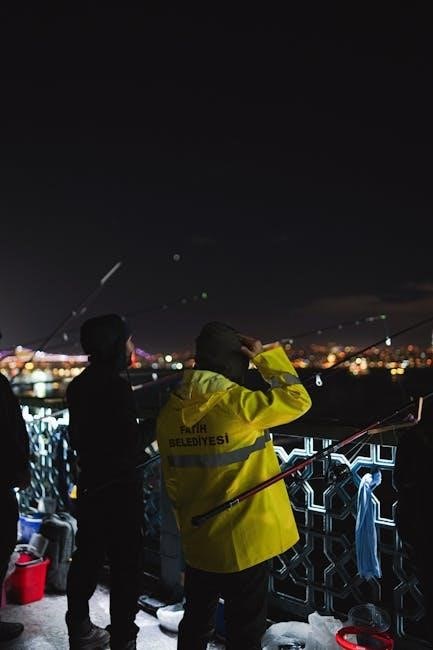
Policies should address potential liabilities arising from accidents, negligence, or equipment failure. Adequate coverage minimizes financial risk and ensures business continuity. Guides must carefully evaluate their specific needs and choose policies offering appropriate protection levels.
Client Injury Coverage
Client injury coverage is a cornerstone of fishing guide insurance, protecting against financial losses stemming from accidents during guided trips. This coverage addresses medical expenses, potential legal fees, and settlements resulting from injuries sustained by clients while fishing. Common incidents include slips, falls, hook injuries, or reactions to marine life.
Adequate coverage limits are crucial, considering the potential severity of injuries. Policies should cover both on-water and land-based incidents. Guides should review policy details to understand exclusions and ensure comprehensive protection for their clients’ well-being and their business’s financial stability.
Damage to Client Property
Fishing guide insurance policies often include coverage for damage to a client’s personal property, such as fishing rods, reels, tackle, cameras, or other valuables brought on a guided trip. This protection safeguards against accidental loss or damage caused by events during the fishing excursion, like breakage, loss overboard, or damage from weather conditions.
Guides should verify policy limits and specific exclusions related to client property. Some policies may have sub-limits for high-value items. Documenting the condition of client equipment before the trip can help streamline any potential claims process, ensuring a smooth resolution for all parties involved.
Damage to Guide’s Equipment
A crucial component of fishing guide insurance is coverage for damage to the guide’s own essential equipment. This encompasses boats, motors, trailers, fishing gear (rods, reels, tackle), safety equipment, and electronic devices used in the operation. Protection extends to accidental damage from collisions, grounding, storms, or other unforeseen incidents.

Policies may offer replacement cost or actual cash value coverage. Guides should carefully assess their equipment’s value and choose a policy that adequately protects their investment. Documenting equipment with photos and serial numbers is vital for efficient claims processing, ensuring swift reimbursement for covered losses.
Coverage for Fishing Vessels
Dedicated boat insurance, often termed hull & machinery coverage, is paramount for fishing guides. This protects the physical vessel itself – the hull, engine, and built-in machinery – against damage or loss from perils like collisions, grounding, fire, storms, and vandalism. Comprehensive policies extend beyond physical damage, including coverage for salvage costs and debris removal.
Liability coverage is also vital, protecting against claims arising from vessel operation. Guides should verify policy limits are sufficient for potential incidents. Consider additional coverage for specialized equipment or modifications to the vessel. Proper documentation and regular maintenance are often required by insurers.
Factors Affecting Insurance Costs
Several key elements influence the premium for fishing guide insurance. A guide’s experience and documented safety record are heavily scrutinized; a history of claims will increase costs. The geographical location of fishing operations matters, with higher-risk areas (e.g., rough seas) commanding higher premiums.
The type of fishing – freshwater versus saltwater – also impacts pricing, as saltwater environments present greater risks. The average number of clients per trip is a significant factor, as it directly correlates to potential liability exposure. Finally, the value of the vessel and equipment being insured plays a crucial role in determining overall costs.
Guide’s Experience & Safety Record
A fishing guide’s experience level is a primary determinant in insurance pricing. Insurers favor guides with extensive, verifiable experience, demonstrating a proven ability to manage risks effectively. A clean safety record, free from accidents or incidents, significantly lowers premiums.
Documentation of safety training, certifications (like First Aid/CPR), and adherence to best practices are crucial. Conversely, a history of claims, safety violations, or negative reports will substantially increase insurance costs. Proactive risk management, including regular equipment checks and client safety briefings, showcases responsibility and can lead to favorable rates.
Location of Fishing Operations
The geographical location of your fishing guide business profoundly impacts insurance costs. Operations in areas prone to severe weather – hurricanes, strong currents, or hazardous waterways – will face higher premiums due to increased risk. Coastal regions generally have higher rates than inland freshwater locations.
Specific state or regional regulations also play a role. Areas with stricter boating laws or higher liability standards may necessitate more comprehensive (and expensive) coverage. Remote locations, requiring longer response times for emergency services, can also elevate insurance costs. Insurers assess these locational factors to determine appropriate risk levels.
Type of Fishing (Freshwater vs. Saltwater)
The type of fishing you guide – freshwater or saltwater – significantly influences your insurance needs and premiums. Saltwater fishing often presents greater risks due to unpredictable ocean conditions, larger vessels, and potential encounters with marine life. This typically translates to higher insurance costs.
Freshwater fishing, while generally less hazardous, still requires adequate coverage. Factors like river currents, boat traffic, and potential for client falls need consideration. Specialized fishing types, like estuary or surf fishing, may demand specific endorsements to your policy. Insurers evaluate these distinctions to accurately assess risk and determine appropriate coverage levels.
Number of Clients Typically Taken Per Trip
The number of clients you routinely take on each fishing trip is a crucial factor in determining your insurance premiums. A higher client load inherently increases your liability exposure. More people onboard mean a greater chance of accidents, injuries, or damage to property.
Insurers will assess your typical passenger count to gauge the potential scale of claims. Policies may have limits on the number of individuals covered per incident. Exceeding these limits could leave you financially responsible for any resulting losses. Transparently disclosing your usual client numbers ensures accurate coverage and avoids potential disputes during a claim.
Specific Coverage Considerations
Fishing guides specializing in unique techniques require tailored insurance policies. For example, squid fishing from jetties or piers, while land-based, still presents risks needing coverage. Estuary fishing, within coastal rivers, demands consideration of tidal influences and potential hazards.
Surf fishing guides face challenges from unpredictable waves and shore conditions. Flathead fishing, involving ambush predator tactics, may necessitate equipment damage coverage. Snapper fishing, targeting a strong, determined fish, requires robust client injury protection. Carp fishing guides need coverage for specialized gear and potential environmental concerns. Each discipline presents unique exposures requiring careful policy evaluation.
Coverage for Squid Fishing Operations
Squid fishing operations, even when land-based from jetties or piers, necessitate specific insurance considerations. While not requiring a boat, guides still face liability risks from slippery surfaces, cast lines injuring bystanders, or equipment malfunctions.
General liability coverage should protect against client slips and falls, and property damage. Professional liability is crucial if offering instruction. Equipment coverage must include specialized squid fishing gear – lights, jigs, and nets. Policies should address potential risks associated with nighttime operations and crowded piers. Careful review of policy exclusions is vital, ensuring adequate protection for this unique fishing style.
Estuary Fishing Insurance Needs
Estuary fishing, occurring where rivers meet the sea, presents unique insurance challenges for guides. These areas often involve navigating shallow waters, tidal currents, and potential collisions with submerged objects. Standard boat insurance (hull & machinery) is essential, but consider coverage extensions for grounding or impacts.
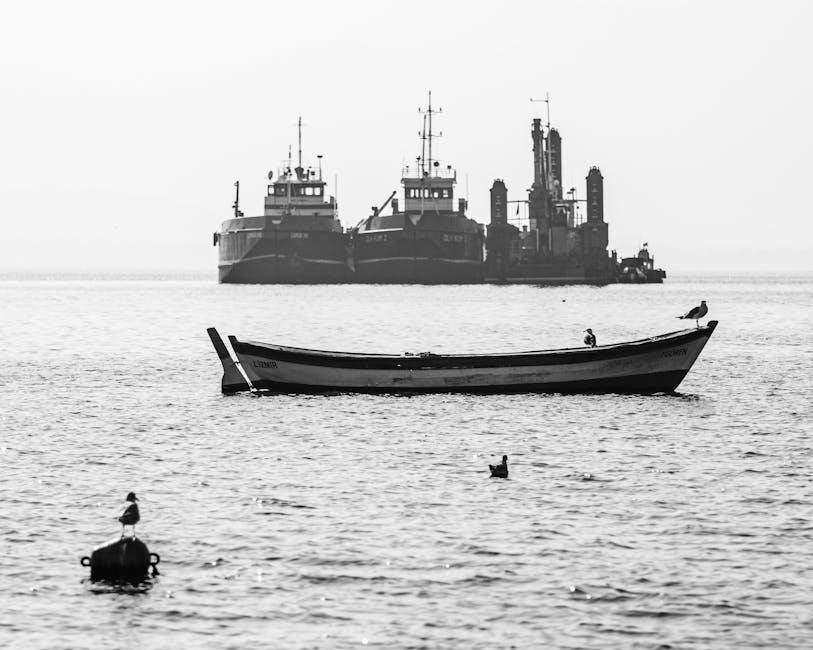
Liability coverage must account for the increased risk of client injury due to slippery banks or wading. Pollution liability is also important, given the sensitive ecosystem. Ensure your policy covers equipment used in estuary environments – specialized rods, nets, and shallow-draft vessels. Review policy wording carefully to confirm adequate protection for these specific conditions.
Surf Fishing Guide Insurance
Surf fishing guides face distinct insurance requirements due to the dynamic coastal environment. General liability insurance is crucial, covering potential client injuries from waves, slippery rocks, or equipment mishaps. Commercial auto insurance is needed for transporting clients and gear to beach access points.

Consider coverage for damage to client’s fishing equipment lost to the surf or stolen. Boat insurance may be relevant if using a small vessel for access, but ensure it covers beaching and launching. Specifically, policies should address risks associated with strong currents and unpredictable surf conditions. Review exclusions carefully, as some policies may limit coverage for ocean-related incidents.
Flathead Fishing Guide Insurance
Guiding for flathead presents unique insurance considerations, as these fish often inhabit shallow, potentially hazardous areas. General liability insurance is paramount, protecting against client injuries from slips, falls, or encounters with marine life. Coverage for damage to client’s gear is also vital, as flathead fishing often involves specialized lures and tackle.
Commercial boat insurance is essential if operating a vessel, ensuring protection against hull damage and mechanical failures. Consider policies that cover navigational risks associated with estuaries and coastal waters where flathead are commonly found. Flathead migrate, so ensure coverage extends to all fishing locations. Review policy exclusions related to shallow water operations.
Snapper Fishing Guide Insurance
Snapper fishing guides face specific risks due to the species’ tendency to inhabit reefs and offshore structures. Robust general liability coverage is crucial, protecting against potential client injuries during challenging conditions or while handling equipment. Professional liability insurance is also recommended, safeguarding against claims of negligence or improper guidance.
Commercial boat insurance is essential, covering vessel damage and potential liabilities arising from offshore operations. Ensure adequate coverage for navigational hazards and potential collisions. Snapper are known for their strong fight, increasing the risk of client strain injuries. Consider policies that address equipment damage from powerful fish and harsh saltwater environments.
Carp Fishing Guide Insurance Considerations
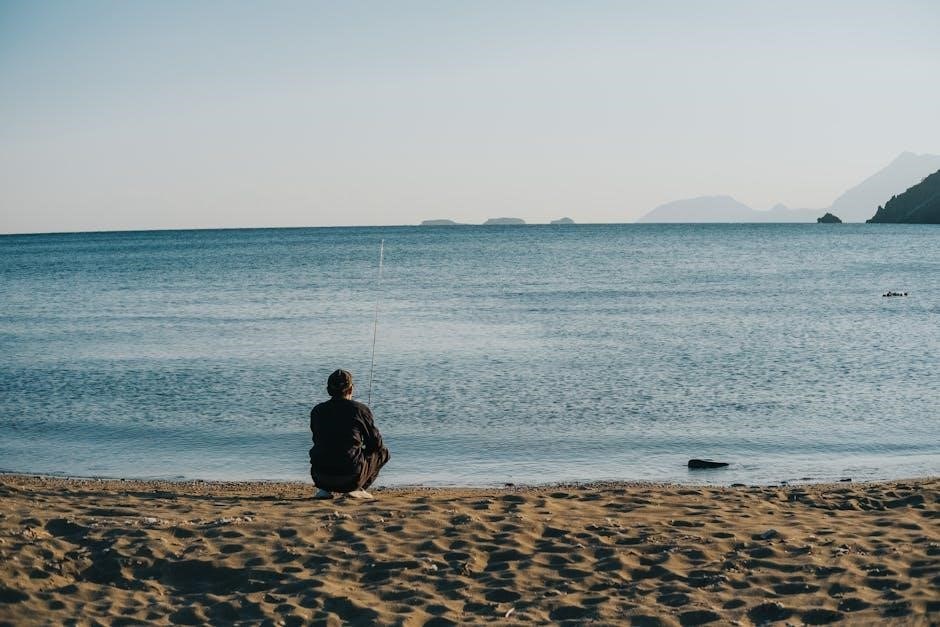
Carp fishing guides require specialized insurance due to the environments and techniques involved. General liability insurance is paramount, covering potential injuries from wading, handling fish, or equipment mishaps. Consider coverage for damage to client equipment, as carp fishing often utilizes specialized rods and reels. Commercial auto insurance is needed for transporting clients and gear.
Focus on policies that address potential environmental liabilities, particularly concerning bait and waste disposal. Carp often inhabit muddy or overgrown areas, increasing slip and fall risks. Ensure adequate boat insurance if guiding from a vessel. Selecting the right carp rod and reel is crucial, and insurance can protect against loss or damage.
Insurance Requirements by State/Region
Fishing guide insurance requirements vary significantly by state and even local regions. Some states mandate general liability insurance as a prerequisite for obtaining a commercial fishing license. Michigan, for example, sees anglers traversing waters teeming with diverse fish species, potentially increasing liability exposure. Other regions may require specific coverage levels for boat insurance or workers’ compensation, if employees are involved.
It’s crucial to investigate local regulations thoroughly. Coastal states often have stricter requirements due to maritime laws. Always verify with the state’s Department of Natural Resources or a legal professional specializing in outdoor recreation. Failure to comply can result in fines or license suspension, impacting your ability to operate legally.
Finding the Right Insurance Provider
Securing appropriate fishing guide insurance necessitates careful provider selection. Working with insurance brokers specializing in outdoor recreation is highly recommended; they possess expertise in navigating the nuances of this niche market and can compare quotes from multiple carriers. Direct insurance companies also exist, but may lack the specialized knowledge to fully address your unique risks.
Prioritize providers with a proven track record of handling claims efficiently. Seek those offering customizable policies tailored to your specific operations – freshwater versus saltwater, client load, and vessel type. Read reviews and check financial stability ratings before committing. A responsive and knowledgeable agent is invaluable for ongoing support.
Working with Insurance Brokers
Engaging a dedicated insurance broker offers significant advantages for fishing guides. These professionals specialize in outdoor recreation insurance, possessing in-depth knowledge of the unique risks faced by guides. They act as your advocate, sourcing quotes from multiple insurance carriers to secure the most comprehensive coverage at competitive rates.
Brokers can expertly navigate complex policy language, ensuring you understand exactly what is and isn’t covered. They’ll assess your specific needs – vessel type, client capacity, fishing location – to tailor a policy that provides adequate protection. Furthermore, brokers assist with the claims process, streamlining paperwork and advocating for a swift resolution.
Direct Insurance Companies
Opting for a direct insurance company means dealing directly with the insurer, bypassing the intermediary role of a broker. This approach can potentially offer cost savings, as you eliminate the broker’s commission. However, it demands a proactive approach from the fishing guide, requiring thorough research and a comprehensive understanding of insurance terminology.
You’ll be responsible for independently assessing your risk profile and identifying the necessary coverage levels. Direct companies may offer standardized policies, potentially lacking the customization available through a broker. Carefully compare quotes and policy details from multiple providers, paying close attention to exclusions and limitations.
Understanding Policy Limits & Deductibles
Policy limits represent the maximum amount an insurance company will pay for a covered claim. Higher limits provide greater financial protection, but typically come with increased premiums. Deductibles are the out-of-pocket expenses you’re responsible for before insurance coverage kicks in; a higher deductible usually lowers your premium.
Carefully evaluate your risk tolerance and financial capacity when selecting limits and deductibles. Consider the potential cost of claims – client injuries, equipment damage, or vessel repairs – and choose coverage accordingly. Understand the implications of both; a low deductible offers immediate support, while a higher one saves on premiums.
Common Exclusions in Fishing Guide Insurance Policies
Fishing guide insurance policies often contain specific exclusions. Intentional acts or negligence are typically not covered, nor are damages resulting from illegal activities. Wear and tear, mechanical breakdowns, and inherent vice (a pre-existing condition) are frequently excluded from equipment coverage.
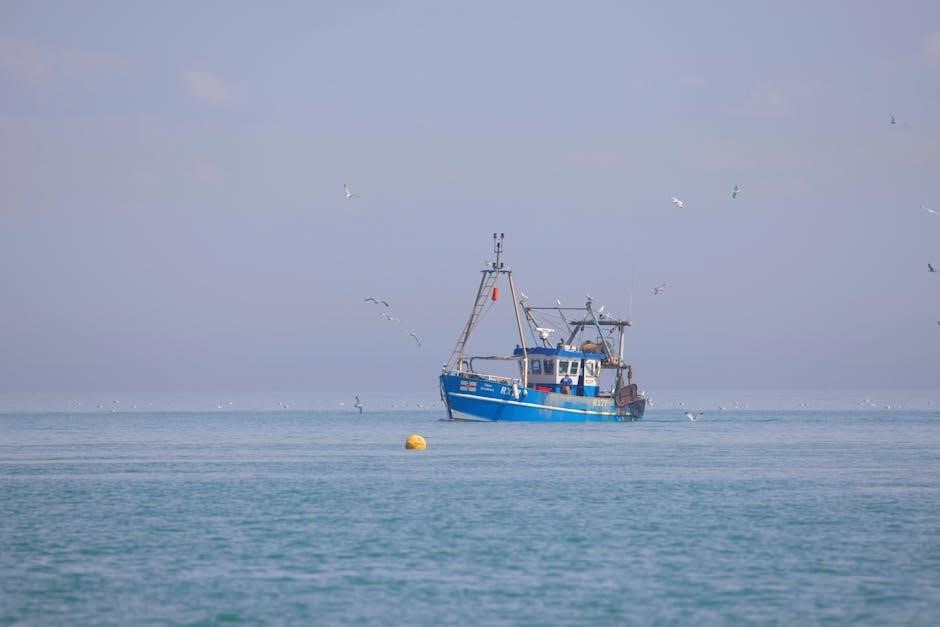
Certain types of fishing or locations might also be excluded. Policies may not cover operations in restricted areas or during severe weather events. Carefully review the policy wording to understand these limitations. Ask your provider about any ambiguities and ensure the coverage aligns with your specific fishing operations and potential risks.
The Claims Process: What to Expect
Filing a claim with your fishing guide insurance provider generally begins with prompt notification. Document the incident thoroughly, including photos, witness statements, and any relevant reports. Your insurer will assign a claims adjuster who will investigate the incident and assess the damages.
Be prepared to provide policy details, incident reports, and supporting documentation. The adjuster may request additional information or conduct interviews. Coverage will be determined based on policy terms and conditions, and any applicable deductibles will apply. Timely communication and cooperation are crucial for a smooth claims process.
Cost-Saving Tips for Fishing Guide Insurance
Enhance your safety record through consistent training and adherence to best practices; insurers reward proactive risk management. Consider increasing your policy deductible to lower your premium, but ensure you can comfortably cover the higher out-of-pocket expense. Bundle your insurance policies – combining general liability with boat and auto coverage often yields discounts.
Shop around and compare quotes from multiple providers, utilizing an insurance broker to streamline the process. Maintain a clean claims history; avoid filing small claims that could increase future premiums. Regularly review your coverage to ensure it aligns with your current operations and needs.
Future Trends in Fishing Guide Insurance
The integration of telematics and data analytics is poised to reshape fishing guide insurance, enabling usage-based pricing and personalized risk assessments. Increased focus on environmental liability coverage will address growing concerns about ecosystem protection and responsible fishing practices. Cyber insurance is becoming increasingly relevant, safeguarding against data breaches and digital threats.
Expect to see more specialized policies catering to niche fishing types, like fly fishing or ice fishing, offering tailored coverage. Parametric insurance, triggered by specific weather events, may gain traction, providing rapid payouts in case of disruptions. Demand for broader coverage options, including business interruption and crisis management, will likely rise.
Resources for Fishing Guide Insurance Information
Fishing Australia serves as a world-class website, dedicated to promoting recreational fishing and offering valuable guide resources. Independent insurance brokers specializing in marine and commercial risks provide expert guidance and policy comparisons. Direct insurance companies, like those offering commercial auto and boat insurance, can provide quotes and coverage details.
State fishing and boating agencies often list insurance requirements and provide links to relevant resources. Industry associations for fishing guides may offer group insurance programs and advocacy support. Online forums and communities for fishing guides facilitate peer-to-peer knowledge sharing and insurance recommendations.