old singer sewing machine manual pdf
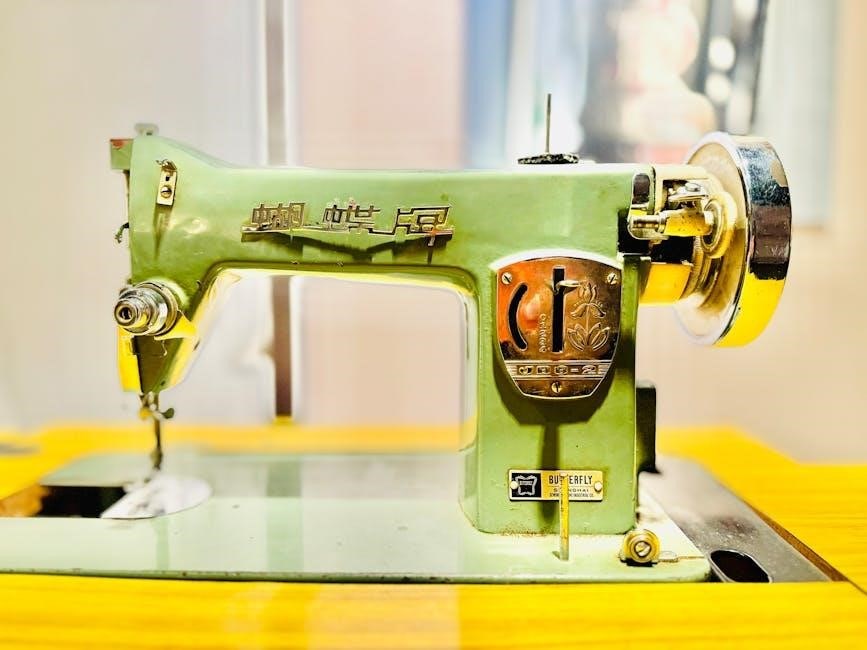
Singer Sewing Machine Manuals: A Comprehensive Guide (PDF Focus)
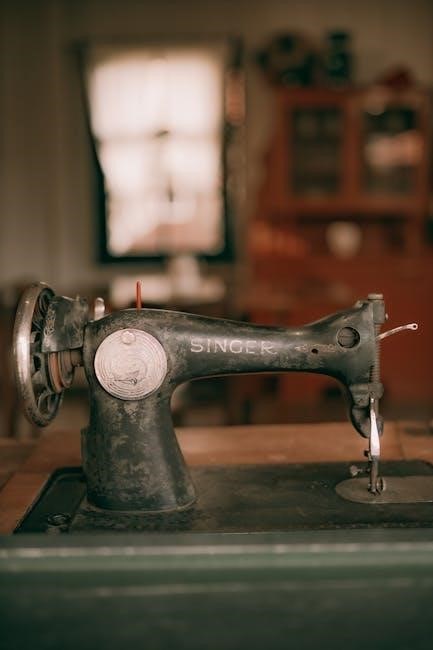
Discover a wealth of information regarding vintage Singer sewing machines, readily available as downloadable PDF manuals from Singer’s official website and dedicated online archives.
These digitized resources offer invaluable assistance for maintaining and operating classic models, including the popular 285 (K) and various Fashion Mate series.
Accessing these manuals, often 50 years old or more, provides a direct link to original instructions, ensuring accurate usage and repair procedures for your machine.
Understanding the Importance of Manuals
For owners of vintage Singer sewing machines, the original manual is an indispensable resource, especially when dealing with older models where operational nuances differ significantly from modern machines. These manuals aren’t simply guides; they are historical documents providing insight into the machine’s intended use and maintenance procedures.
PDF versions, readily available online, preserve these crucial details, offering a convenient and accessible format for reference. Understanding the specific threading instructions, stitch settings, and parts identification detailed within the manual is paramount for optimal machine performance and longevity. Without the manual, troubleshooting becomes significantly more challenging, potentially leading to incorrect repairs or even damage.
Furthermore, manuals often contain safety information vital for preventing accidents and ensuring user well-being. Singer, commendably, has maintained an archive of these historical documents, recognizing their enduring value to the sewing community. Access to these PDFs empowers owners to confidently maintain and operate their cherished Singer machines for years to come.
Locating Singer Sewing Machine Manuals Online
Fortunately, finding PDF versions of old Singer sewing machine manuals is increasingly straightforward thanks to digitization efforts. Singer’s official website serves as a primary repository, offering a historical manual archive that includes models dating back decades – a truly commendable initiative. Direct links to these PDFs can often be found through a simple search on their site.
Beyond the official source, numerous third-party websites and online forums specialize in vintage sewing machine resources. These platforms frequently host scanned copies of manuals, often contributed by enthusiastic collectors and sewing enthusiasts. Manual digitization projects, driven by community collaboration, are also expanding the availability of these valuable documents.
However, it’s crucial to verify the authenticity and completeness of manuals downloaded from unofficial sources. Always cross-reference information when possible and prioritize downloads from reputable websites. A focused online search using the specific model number (e.g;, “Singer 285 (K) manual PDF”) will yield the most relevant results.
Specific Models & Manual Availability
Explore readily available PDF manuals for iconic Singer models like the 257 (Fashion Mate & Zig-Zag) and the historically significant 285 (K) sewing machines.
Discover variations in manuals for Fashion Mate and Fashionmate series, alongside specific resources for Zig-Zag and Zig-Zag machines.
Singer 257 Manuals: Fashion Mate & Zig-Zag
The Singer 257, often recognized as the Fashion Mate or simply a Zig-Zag model, benefits from relatively accessible PDF manuals online. These resources are crucial for owners seeking to understand the intricacies of this popular machine.
Original manuals detail threading procedures for both straight and zig-zag stitches, alongside comprehensive stitch setting guides. Users can find detailed diagrams illustrating proper needle and thread usage, vital for achieving optimal sewing results.
Maintenance sections within the PDF manuals cover essential tasks like oiling points, cleaning lint buildup, and basic troubleshooting steps. These guides empower owners to perform routine upkeep, extending the machine’s lifespan.
Digitized versions, often sourced from Singer’s official archive, offer a convenient way to access these historical documents. They are invaluable for restoring and maintaining these classic sewing machines, ensuring continued functionality for years to come.
Finding these manuals often involves searching dedicated Singer sewing machine forums and third-party websites specializing in vintage machine resources.
Singer 285 (K) Manuals: Accessing Historical Documents
The Singer 285 (K) sewing machine is exceptionally well-supported by readily available historical documents, primarily in PDF format. Singer themselves deserve commendation for preserving and digitizing these 50-year-old manuals, making them accessible online.
These PDFs provide a detailed look into the machine’s operation, including comprehensive parts diagrams, threading instructions, and stitch selection guides. The “K” designation in the model name is clearly explained within the documentation.
Users can download these manuals directly from the official Singer website, ensuring authenticity and accuracy. These resources are invaluable for repairs, maintenance, and understanding the machine’s original functionality.
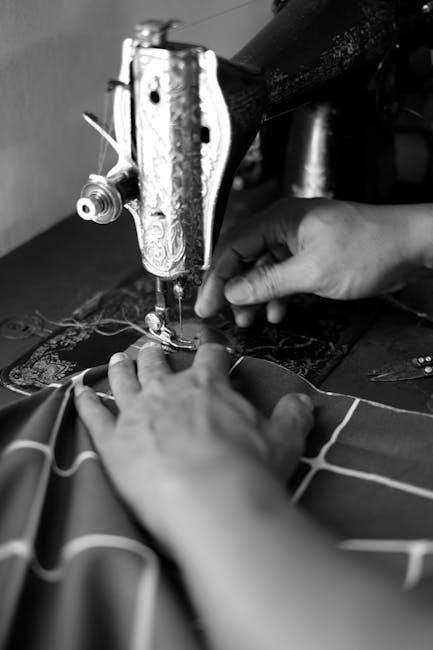
The PDF format allows for easy searching and zooming, facilitating quick access to specific information. Troubleshooting sections address common issues, empowering owners to resolve problems independently.
Accessing these historical documents is a significant advantage for owners of this classic Singer model, preserving its legacy and usability.
Fashion Mate & Fashionmate Models: Manual Variations
Singer Fashion Mate and Fashionmate sewing machines present a slight complexity regarding manuals, as variations exist depending on the specific sub-model and year of manufacture. While core functionality remains consistent, subtle differences necessitate careful manual selection.
PDF versions of these manuals are widely available online, often through Singer’s historical archive and various third-party websites dedicated to vintage sewing machines. Identifying the correct manual is crucial for accurate instructions.
Owners should pay close attention to model numbers and any accompanying documentation to ensure they are referencing the appropriate guide. Some manuals cover multiple closely related models, while others are specific to a single variant.
These manuals typically include detailed threading diagrams, stitch guides, and troubleshooting sections tailored to the Fashion Mate/Fashionmate series. The PDF format allows for easy searching and magnification of diagrams.
Successfully locating the correct manual ensures optimal performance and longevity for these popular vintage machines.
Zig-Zag & Zig-Zag Machines: Identifying Manual Needs
Singer Zig-Zag and Zig-Zag sewing machines, renowned for their versatility, require specific manuals to unlock their full potential. Identifying the correct PDF manual is paramount, as variations exist across different production years and model iterations.
The term “Zig-Zag” itself can be ambiguous, encompassing a broad range of machines. Precise model numbers – often found on the machine’s body – are essential for accurate manual retrieval.
Online resources, including Singer’s official archive and dedicated sewing machine forums, offer a wealth of downloadable manuals. These PDFs typically detail stitch settings, threading procedures, and troubleshooting guides specific to Zig-Zag models.
Owners should carefully compare the machine’s features and appearance to the manual’s illustrations to confirm compatibility. Utilizing the correct manual ensures proper operation and maintenance of these classic machines.
Accessing the right PDF guide empowers users to confidently utilize the Zig-Zag’s diverse stitching capabilities.
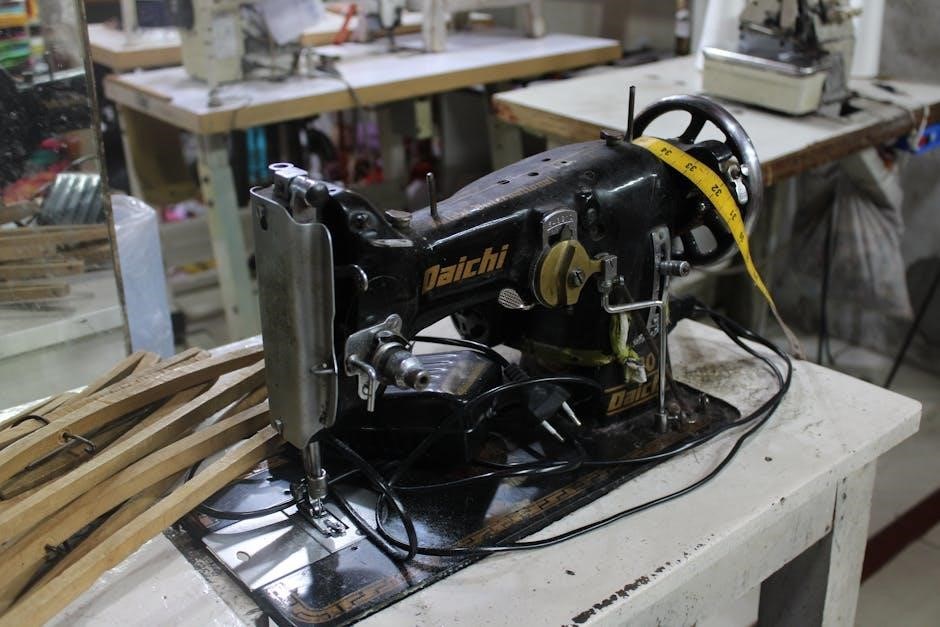
PDF Manual Features & Navigation
Digital Singer manuals, in PDF format, offer convenient access to detailed instructions and diagrams for vintage machines, enhancing usability and preservation.
These files are easily searchable and zoomable, allowing users to quickly locate specific information and view intricate parts illustrations with clarity.
PDF Format Advantages for Sewing Machine Manuals
The PDF format proves exceptionally beneficial for distributing and preserving older Singer sewing machine manuals, offering several key advantages over traditional paper copies or other digital formats.
Firstly, PDFs ensure consistent formatting across all devices, faithfully reproducing the original layout and diagrams as intended by Singer’s engineers decades ago. This is crucial for accurately interpreting complex machine parts and threading instructions.
Secondly, PDFs are highly portable and easily shared, allowing enthusiasts and repair technicians to access manuals instantly from anywhere with an internet connection. The availability of these documents online, as demonstrated by Singer’s own historical archive, is a testament to this benefit.
Furthermore, PDFs are non-editable, safeguarding the integrity of the original manual content and preventing accidental alterations. This is particularly important for historical documents where accuracy is paramount. The compact file size of PDFs also facilitates efficient storage and download, even for manuals containing numerous pages and detailed illustrations.
Finally, the universal compatibility of PDF readers ensures that virtually anyone can open and view these manuals, regardless of their operating system or device.
Navigating PDF Manuals: Search & Zoom Functions
Effectively utilizing the search and zoom functions within PDF readers dramatically enhances the experience of accessing older Singer sewing machine manuals. These features are essential for quickly locating specific information within often lengthy and detailed documents.
The search function allows users to instantly find references to particular machine parts, stitch types, or troubleshooting steps by simply entering keywords. This saves considerable time compared to manually scanning through pages.
Zooming capabilities are equally valuable, enabling users to magnify diagrams and illustrations for closer inspection. This is particularly helpful when dealing with intricate components or faded print quality common in older manuals.
Most PDF readers offer multiple zoom levels, allowing for customized viewing based on individual needs and screen size. Combined with the ability to rotate pages, these functions ensure optimal readability and comprehension.
Mastering these navigation tools unlocks the full potential of digitized Singer manuals, making repair and maintenance tasks significantly easier and more efficient.
Troubleshooting Common PDF Viewing Issues
When accessing older Singer sewing machine manuals in PDF format, several common viewing issues may arise. These often stem from the age and original scanning quality of the documents themselves.
Blurry or pixelated images can occur, particularly in manuals digitized from low-resolution sources. Adjusting the PDF reader’s image quality settings or utilizing a different reader may improve clarity.
Incorrect page orientation is another frequent problem. Rotating the page within the PDF viewer typically resolves this. Occasionally, the PDF may be corrupted, requiring a re-download.
Slow loading times can happen with larger files. Closing unnecessary applications and ensuring a stable internet connection can help. Updating your PDF reader to the latest version is also recommended.
If a PDF fails to open altogether, verifying the file’s integrity and attempting to open it with an alternative PDF program are good first steps. These simple fixes often restore access to valuable information.
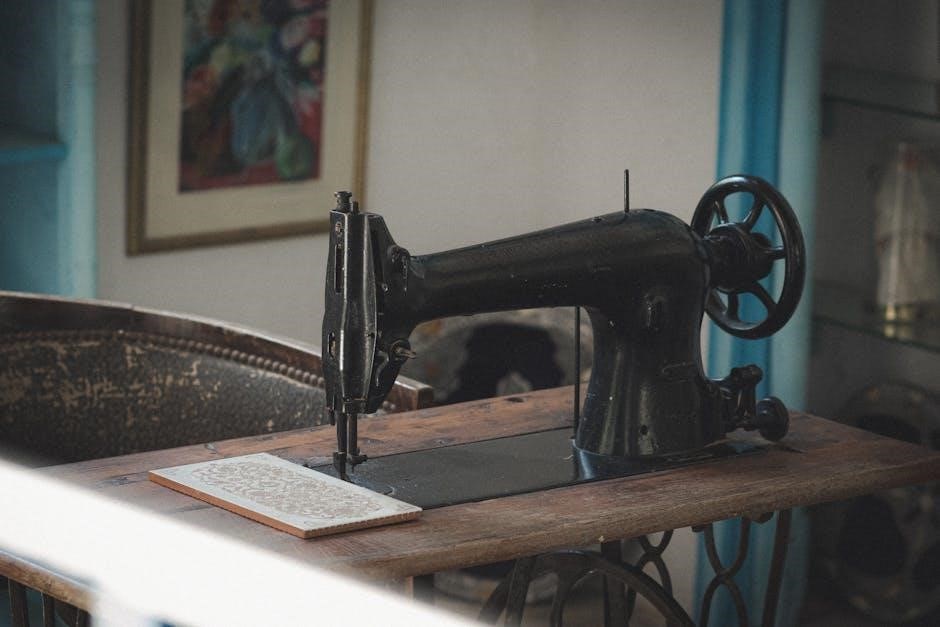
Manual Contents: What to Expect
Expect detailed parts diagrams, clear threading guides, and comprehensive stitch settings within these vintage PDFs, alongside essential maintenance and troubleshooting advice for your Singer.
Machine Parts Diagrams & Identification
Old Singer sewing machine manuals, particularly those available as PDFs, excel in providing meticulously detailed parts diagrams. These aren’t simply illustrations; they are exploded views showcasing every component, from the smallest screws to the main drive wheel, with corresponding reference numbers.
Identifying parts is crucial for repairs and maintenance, and the manuals dedicate significant space to this. Each numbered part is typically listed in a separate section, often with descriptions of its function and potential replacement part numbers (though these may be outdated now).
The diagrams allow users to visually disassemble and reassemble the machine conceptually, even without prior mechanical experience. Understanding the arrangement and interaction of these parts is key to diagnosing issues and performing effective repairs. PDF format enhances this, allowing for zooming to examine intricate details. These diagrams are invaluable for restoring vintage machines to their original working order, ensuring longevity and preserving a piece of sewing history.
Threading Guides & Stitch Settings
Singer sewing machine manuals, especially in PDF format, dedicate substantial sections to threading instructions. These aren’t just simple step-by-step guides; they often include detailed illustrations showing the precise path the thread must take through the machine’s various tension discs, take-up levers, and needle eye.
Understanding the correct threading sequence is paramount for achieving proper stitch formation. Manuals also comprehensively cover stitch settings, detailing how to adjust stitch length, width, and tension for different fabrics and desired effects.
For models like the Fashion Mate and Zig-Zag machines, these sections are particularly important due to their versatility. PDFs allow easy magnification of these diagrams. The manuals provide charts and explanations for various stitch types, enabling users to unlock the full potential of their vintage Singer. Mastering these settings ensures consistent, high-quality sewing results.
Maintenance & Troubleshooting Sections
Old Singer sewing machine manuals, now frequently available as PDFs, dedicate significant space to maintenance procedures. These sections detail how to properly oil various machine components, clean lint buildup, and adjust timing – crucial for preserving the machine’s functionality over decades.
Troubleshooting guides are equally valuable, offering solutions to common problems like thread breakage, skipped stitches, and uneven tension. These sections often include diagnostic charts, helping users pinpoint the cause of the issue and implement the appropriate fix;
PDF format allows for easy searching of these sections, quickly locating solutions when issues arise. The manuals emphasize preventative maintenance, extending the life of these robust machines. Detailed exploded diagrams aid in identifying parts needing attention, ensuring continued smooth operation of your vintage Singer.
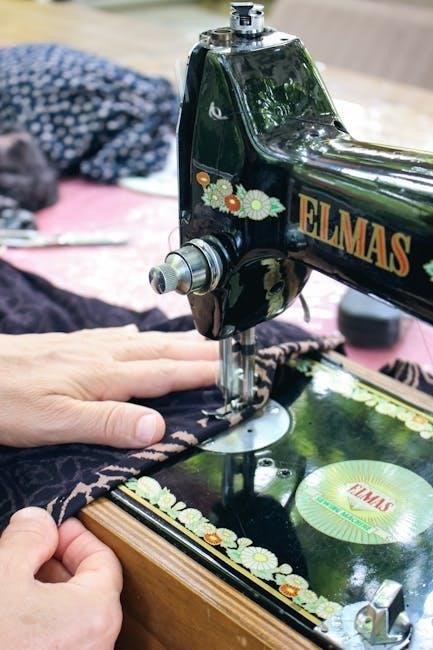
Resources for Manuals & Support
Explore Singer’s official website for a historical archive of manuals, alongside thriving third-party websites and online forums dedicated to vintage sewing machine support.
Community digitization projects further expand access to these valuable PDF resources, fostering a collaborative environment for Singer enthusiasts worldwide.
Singer’s Official Website: Historical Manual Archive
Singer truly deserves commendation for proactively maintaining an extensive online archive of historical sewing machine manuals, readily accessible to enthusiasts and owners globally. This digital repository represents a significant commitment to preserving the legacy of their iconic machines.
The website offers a surprisingly comprehensive collection, including manuals dating back several decades – even those exceeding 50 years in age, like the Singer 285 (K) manual. These aren’t simply scanned images; many have been carefully reformatted for improved readability and ease of download as PDF documents.
Navigating the archive is generally straightforward, though specific search terms (model number, series name) are crucial for efficient results. The availability of these original instructions is invaluable for anyone restoring, repairing, or simply learning to operate a vintage Singer. It’s a fantastic resource, eliminating the need to hunt through obscure sources for essential information, and providing authentic guidance directly from the manufacturer.
This dedication to customer support, even for machines long out of production, underscores Singer’s commitment to its heritage and the enduring popularity of its products.
Third-Party Websites & Online Forums
Beyond Singer’s official archive, a vibrant community of sewing machine enthusiasts has independently curated numerous websites and online forums dedicated to preserving and sharing vintage manuals, including those in PDF format.
These platforms often supplement the official resources, offering manuals for less common models or variations not readily available on the Singer website. They also provide a valuable space for users to discuss specific machines, share troubleshooting tips, and collaborate on manual digitization projects.
However, it’s crucial to exercise caution when downloading manuals from third-party sources. Verify the file’s integrity and scan for potential malware before opening. Online forums are excellent for seeking advice and identifying the correct manual for your specific machine, especially when dealing with Fashion Mate or Zig-Zag models.
These communities represent a collective effort to keep the knowledge surrounding classic Singer machines alive, offering a wealth of information and support for owners and collectors alike.
Manual Digitization Projects & Communities
Recognizing the fragility and scarcity of original Singer sewing machine manuals, dedicated communities have undertaken extensive digitization projects to preserve these valuable resources in PDF format.
These initiatives involve scanning, cleaning, and indexing physical manuals, making them freely accessible online to a global audience. Volunteers contribute their time and expertise to ensure the accuracy and completeness of these digital archives.
Many projects focus on specific model ranges, like the Fashion Mate and Zig-Zag series, or aim to create comprehensive collections of all available Singer manuals. These efforts are often collaborative, with individuals sharing scans and knowledge through online forums and dedicated websites.
The resulting PDF libraries represent a significant contribution to the sewing machine community, safeguarding historical documentation and empowering owners to maintain and repair their vintage machines.
Dealing with Missing or Damaged Manuals
When original manuals are lost or damaged, digital PDF copies from online archives and forums become essential resources for Singer sewing machine owners.
Utilizing manuals for similar models can provide valuable guidance, while expert assistance is readily available through online support communities.
Using Similar Model Manuals as a Reference
Often, finding the exact manual for a vintage Singer sewing machine proves challenging, especially for less common models or those with significant age. However, a practical solution lies in utilizing manuals from closely related or similar Singer machines as a reference point.
Many Singer models share core mechanisms and operational principles, meaning that a manual for a machine from the same era and general type – such as another Fashion Mate or Zig-Zag variant – can offer substantial assistance. Focus on identifying machines with comparable features, stitch patterns, and mechanical designs.
Pay close attention to diagrams illustrating threading paths, tension settings, and basic maintenance procedures. While minor differences may exist, the fundamental concepts often remain consistent. Online forums dedicated to vintage Singer machines are invaluable for confirming compatibility and identifying suitable substitute manuals. Remember to exercise caution and prioritize safety when applying information from a different manual, always verifying its relevance to your specific machine before proceeding.
Digitized PDF manuals readily available online make this comparative approach significantly easier, allowing for quick access and side-by-side comparison of different resources.
Online Support Forums & Expert Assistance
When navigating the world of vintage Singer sewing machines and their often-elusive manuals, online support forums and communities become indispensable resources. These platforms connect owners and enthusiasts who readily share knowledge, troubleshooting tips, and – crucially – access to digitized manuals and related documentation.
Dedicated forums often host extensive libraries of scanned manuals, frequently including models not readily available on the official Singer website. Experienced users can provide expert assistance in identifying your specific machine, locating the correct manual, or interpreting its contents.
Don’t hesitate to post detailed photos of your machine, including model numbers and any identifying marks. This allows forum members to offer targeted advice. Furthermore, many forums feature sections dedicated to manual requests, where members can actively search for specific documents on your behalf. Remember to contribute back to the community by sharing your own findings and experiences.
These collaborative environments offer a wealth of support beyond simply finding a PDF manual, fostering a vibrant community of Singer sewing machine aficionados.